
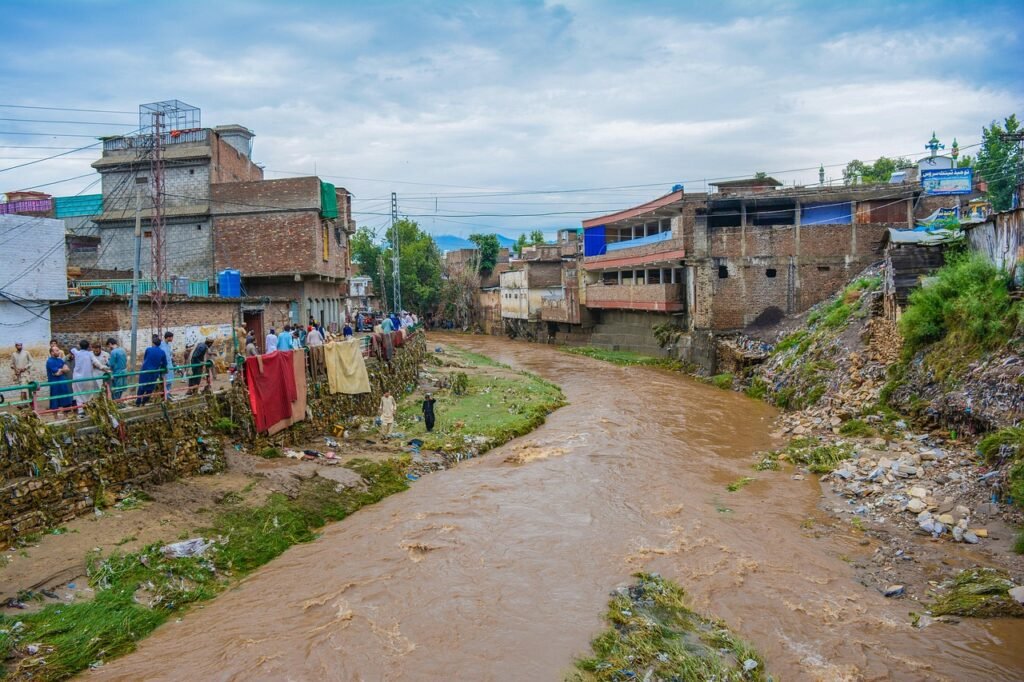
Pakistan, a nation already grappling with socioeconomic challenges, finds itself on the frontlines of a rapidly changing climate. From devastating floods to crippling heatwaves, the effects of global warming are no longer abstract concepts but harsh realities impacting millions. One of the most visible impacts is the increased frequency and intensity of extreme weather events.
The catastrophic floods of 2022, which submerged a third of the country, displaced millions, and caused billions of dollars in damage, served as a stark reminder of Pakistan’s vulnerability. Scientists have linked these floods to climate change, highlighting the role of increased glacial melt and altered monsoon patterns. The Indus River Basin, crucial for Pakistan’s agriculture, is particularly susceptible to these changes.
Beyond floods, heatwaves are becoming increasingly common, particularly in urban centers like Karachi and Lahore. Rising temperatures pose a significant threat to public health, especially for vulnerable populations like the elderly and those living in informal settlements.
The increased frequency of heatwaves can lead to heatstroke, dehydration, and even death. The agricultural sector also suffers, with crops withering under extreme heat and water scarcity intensifying.
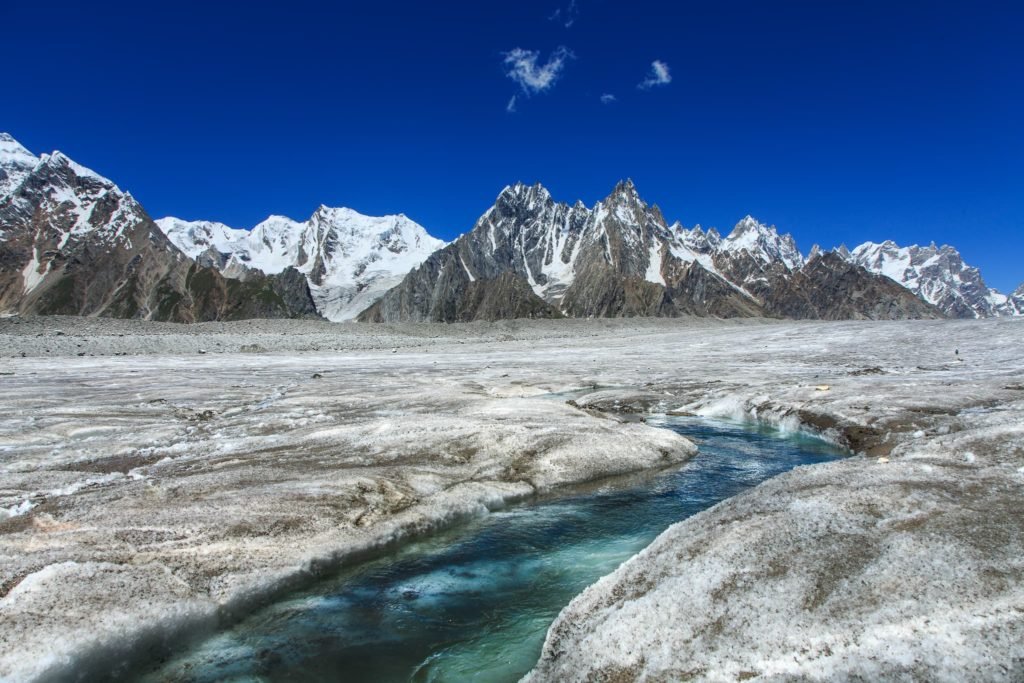
Glacial melt in the Himalayan and Karakoram Mountain ranges, often referred to as Pakistan’s “water towers,” is another major concern. While initially, increased meltwater may lead to higher river flows, long-term projections indicate that glaciers are shrinking rapidly, threatening future water availability for irrigation, drinking, and hydropower generation. This could lead to severe water shortages and exacerbate existing tensions over water resources.
The impact on Pakistan’s agricultural sector, a mainstay of the economy, is profound. Changes in temperature and rainfall patterns are affecting crop yields, leading to food insecurity. Moreover, the increasing frequency of extreme weather events disrupts agricultural production, causing significant economic losses.
Addressing these challenges requires a multi-pronged approach. Mitigation efforts, such as transitioning to renewable energy sources and reducing greenhouse gas emissions, are crucial.
However, given Pakistan’s limited contribution to global emissions, adaptation strategies are equally important. These include investing in climate-resilient infrastructure, improving water management, and promoting sustainable agricultural practices.
Pakistan’s vulnerability to climate change is not just an environmental issue; it’s a development and security issue. The impacts of climate change threaten to undermine economic progress, exacerbate social inequalities, and contribute to political instability. International cooperation and financial assistance are essential to support Pakistan’s efforts to build resilience and adapt to the changing climate.

Secretary of Climate Change – YOP Sindh