
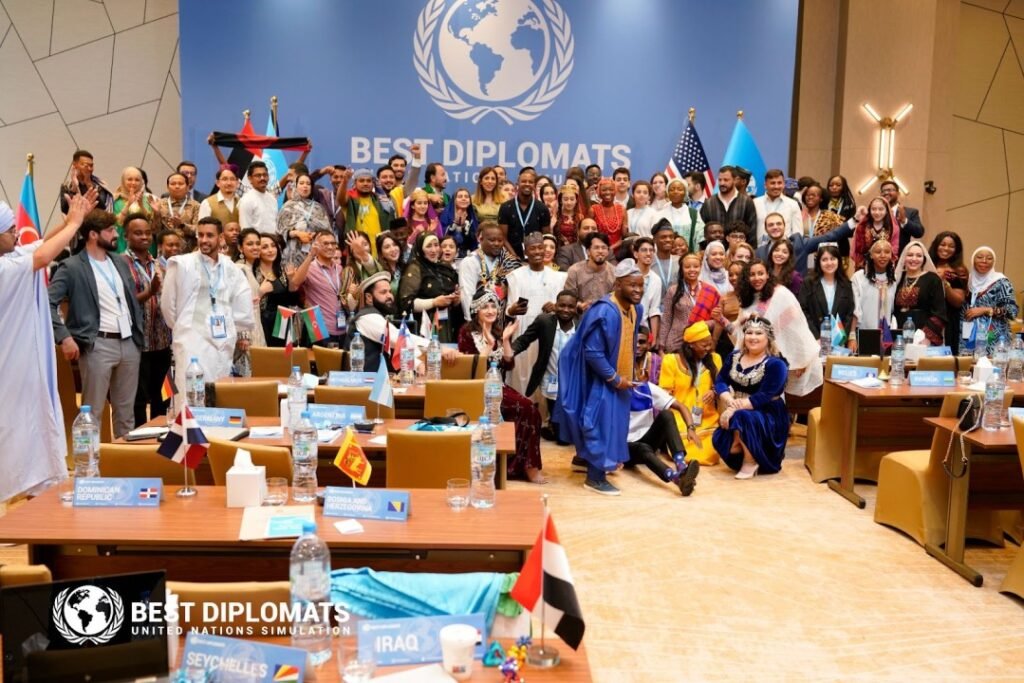
In the world influenced by conflict, crisis, and the division escalating in an advanced age and globally integrated world, there’s a powerful force working behind the stage to shape the Global perception: Culture, which stands among the three pillars of soft power: political values, foreign policy, and culture, because it is the most tangible. Political relations may get into clashes, or rigid negotiations get involved in foreign policy, but culture is a treasure chest. From academic exchange programs to culinary festivals, these events of interaction foster connections that formal diplomacy cannot. (Hafsa Nawaz, 2025)
What is Cultural Diplomacy?
Cultural diplomacy is a subset of public diplomacy; both are the elements of soft power, providing the opportunity to immerse citizens in different cultures and to foster global citizenship. It is a way of engaging the global public not by the trade deals or agreements but by mutual respect through films, arts, cultural programs, and shared tradition in an increasingly interconnected world, and it helps to shape the dynamics of International relations.
Impacts of International Cultural Relations
Inter-national cultural plays an important role in shaping global relations. The term International Cultural Relations is used with cultural diplomacy, but they are not the same; not all international Cultural Relations involve their governments. All these are done with the help of Foreign, cultural, and educational ministries. (Richard Ned Lebow, 2009). States should empower their ministries of culture, tourism and put their importance in their foreign policy with other states, as this can be a way of engaging with other states peacefully. This will put the impact of the cultural exchange on international conflict, and the cultural exchange programs will provide a wide range of Heritage to the public, and opportunities for states to rewrite their narrative in positive perceptions. After 9\11, Pakistan faced a dark image at the international level. Pakistani Projects, like showcasing truck art in Europe, Multani portrayals across the world, Sindhi patterns, architectures, as well as Pakistani cuisine, keep spreading the message of peace and proved that these are not mere exhibitions; they communicate resilience, creativity, and a message of peace that “We are more than our headlines.”
The existence of social animals in Global culture is becoming irreversible as Cultural Compression of human communities and the individual in the same space has reached to higher extent. Cultures are fostering Global citizenship, mutual relationships between Nations, cultivating International Friendship, transcending borders by introducing new traditions, languages, and ideas to bridge the cultural gaps by uplifting empathy, breaking the barriers of stereotypes across the border lines. In the economically integrated world, cultural diplomacy can be a path to the developing and the underdeveloped States to engage everystate in such a way with the developed ones, irrespective of their economic statuses.
Technologies in the contemporary world are transforming the methods of culture diplomacy that has shaped the global relation at a huge level, by providing digital platforms for communication and engagement of the global public that allowed the virtual immersion experiences about culture across the world. K-pop culture is the contemporary example of this,showing that how rapidly it spread across the world, becoming a major cultural and economic force for South Korea. BTS, a Korean entertainment group, goes beyond entertainment to promote social values and even address the United Nations; this act is considered an act of cultural diplomacy at work.
Digital representation of cultures can act as a catalyst for cultural exchange across the world. We can see that the cultural exchange program involves culture expos, educational exchange programs, artist exchange programs, fashion trends, as well as film and media industries. These programs offers an exciting way for the Global Public to experience new cultures, language Skills, and develop Global competence. The examples, through cultural exchange, art, educational programs, and even the strategic gifting of cultural artifacts like the Panda Diplomacy from China, fosters mutual understanding, build long-term relationships, and create a positive national image on the global stage.
Cultures being deeply rooted in the emotions and behavior of individuals, programs like above can facilitate nations like us to present our culture before the world. Liberal school of thought that talks about the free trade, international law, economic interdependence, prevalence of democracy among the world and sustainability of peace all these can be achieved through the Successful diplomatic efforts so may gives a chance to cultural diplomacy to emphasize international cooperation and institutions to foster relations of cooperation and peace. States can foster their economies by promoting tourism, trade and
Investment between nations.(Shahmohammadi, Y., & Khodaverdi, 2017) Cooperation policies aimed at eliminating all the obstacles of “free” Globalization exercised economic activities across boundaries, as well as the implementation of regional and international agreements. (YUSUF ABDULRAHEEM, n.d.)
Call to Action
To promote the culture exchange programs, governments and International organisations should invest and allocate more resources in cultural exchange programs and scholarships initiatives, recognizing their potential to shape more positive and productive Global relations. Individual should seek out opportunities to engage with different cultures whether through the travel, education, or the community programs. Cultural exchange program like Olympics and the world expos, which bring people together from around the world to celebrate and promote cultural understanding. International bodies like UNESCO and the orther NGOs should celebrate and preserve unique cultural identities, traditions and languages. Continuously accessing the impact of Cultural exchange program and adoption of such strategies to improve effectiveness can build long term collaboration between institution organisations and community this will foster dialogue, empathy and respect between the Nations and cultures. This engage people from the every corner of the world in cultural exchange programs which should priorities mutual understanding empathy and respect recognizing the value of diversity and importance of building bridges between the Nations, fostering this can build trust and rapport between Nations playing the ground work from effective diplomatic relations.
Conclusion
Cultural exchange programs strengthens global relations through dialogue and cultural diplomacy, cultural misunderstandings and conflicts can reduce and peaceful coexistence become posible to a higher extent. Digital platform also have transform cultural diplomacy enables Nations to showcase their cultural heritage and connect with the foreign audience virtually, Cultural diplomacy has also boosted Tourism, trade and investment by showcasing Nation’s cultural assets and promoting cross cultural understanding.
The call for action is to allocate funds and investment of international bodies and NGOs to drive this behing the stage force more effectively, it is also a call for the promotion of heritage, history, language, education coopreation and peace.
References
Bound, B., & Holden, J. (2007). Cultural Diplomacy. Demos. https://demos.co.uk/wp-content/uploads/files/Cultural_diplomacy_-_web.pdf
Hafsa Nawaz. (2025). The Role of Cultural Diplomacy in Strengthening Soft Power in a Globalized World. CPD. https://uscpublicdiplomacy.org/blog/role-cultural-diplomacy-strengthening-soft-power-globalized-world
Milan Jazbec. (2023). Diplomacy and Globalization: Theorizing, Cases and Synergies. DiPLO. https://www.diplomacy.edu/resource/diplomacy-and-globalization-theorizing-cases-and-synergies/#:~:text=Diplomacy%20and%20Globalisation%20shows%20the,relations%20within%20the%20global%20society.
Richard Ned Lebow. (2009, JULY). Culture and International Relations. The Culture of International Relations. https://www.researchgate.net/publication/50952635_Culture_and_International_Relations_The_Culture_of_International_Relations
Shahmohammadi, Y., & Khodaverdi. (2017). The Role of Culture in International Relations Theories. International Journal of Political Science, 7, 49-60. http://oiccpress.com/ijps/article/download/7533/4193
World Day for Cultural Diversity for Dialogue and Development | United Nations. (2025, May 21). The United Nations. Retrieved August 28, 2025, from https://www.un.org/en/observances/cultural-diversity-day
World Day for Cultural Diversity for Dialogue and Development | United Nations. (2025, May 21). The United Nations. Retrieved August 28, 2025, from https://www.un.org/en/observances/cultural-diversity-day
YUSUF, ABDULRAHEEM. (n.d.). IMPACT OF GLOBALIZATION ON CULTURE. Kwara State College of Education, Ilorin. Retrieved August 28, 2025, from https://www.kwcoeilorin.edu.ng/publications/staff_publications/abdulraheem_yusuf/impact_globalization_culture.pdf

I’m Maryam Bakhtiar, a final-year student of International Relations with a passion for diplomacy, education, cultural impacts on foreign policy, and gender advocacy. As a final-year student, I’ve developed a strong foundation in international relations. This article marks my first foray into writing, and I’m excited to share my thoughts with you. My area of study has motivated me to write. I’m eager to become a proficient writer through continued practice and dedication.